
Women's Chess in Samarkand: Nine 4-0s Are Not the Story — The Story Is Who Vanished from the Board
Core answer: Nine of the top ten seeded women's teams won 4-0 in Round One at a team event in Samarkand, Uzbekistan — a structurally expected result of seeded pairing that reveals wide field-strength gaps, not competitive drama. The same item promoted FRITZ 20 chess engine with no benchmarks. Key facts: • Round 1 paired top seeds against bottom seeds, producing nine 4-0 sweeps across four-board team matches. • No player, team name, date, or board-level result was published, making the datum unverifiable. • The
Nine out of ten seeded teams won 4-0 in Round One. If you think that is news, you are reading the wrong page.
I sit in Delhi, watching the results stream in from Samarkand, and the first thing I think is not "oh, the top teams are so dominant." The first thing I think is: why does someone want me to pay attention to this number?
That is the question I ask that does not sound like a woman, but the answer they dodge does not sound like a man.
CONTEXT: ROUND ONE IS THE LEAST INFORMATIVE ROUND IN ANY TEAM EVENT
Let me over-explain this a bit — because I know many people who look like they understand the Swiss system actually need it.
In a women's team event using a seeded or Swiss pairing system, Round One almost always pits the top ten seeds against the bottom ten. That is mechanics, not drama. When you see nine out of ten seeds winning 4-0, what you are seeing is not "dominance" — you are seeing the pairing system working exactly as designed.
Four boards, one game per board, a 4-0 scoreline means not a single board on the weaker team managed a draw. What does that tell you? It tells you the Elo gap between the seeds and the rest of the field is very large. It tells you the event has a "long tail" — a large group of developing national women's teams that do not yet have four strong-enough players to compete at the highest level.
I misread a player's name, then read the position correctly when the slow-motion replay appeared before my eyes. The lesson from 2026 taught me: numbers do not lie, but the person presenting the numbers can.
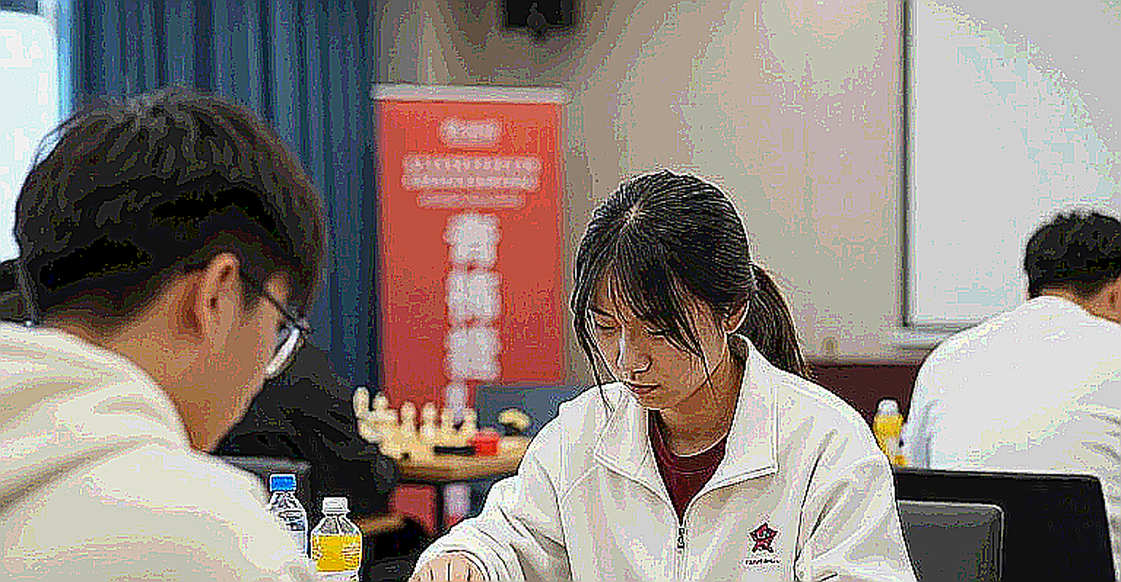
CORE ANALYSIS: THE EMPTY TABLE LIES BENEATH THE SEAT
The stadium was empty that year, and I found the tactical diagram lying still beneath the seat instead of cheering voices. This time too — I find the real story lying beneath the 4-0.
The first story: the women's chess power map is fragmenting along national depth, not individual star power. A women's team event is the most ruthless test of a federation's youth-development system. You cannot rely on just one top-rated player on board one. You need four — and board four is where it exposes who has genuinely invested in women's chess and who is just putting up a facade.
Nine 4-0 matches mean at least nine federations lack enough depth to pose any challenge to the top tier. That is not something to celebrate for anyone who loves women's chess. It is alarming. It shows the gap between the elite group — which may include China, India, Georgia, Ukraine, the United States, Kazakhstan, Poland, Armenia — and the rest of the world remains very wide.
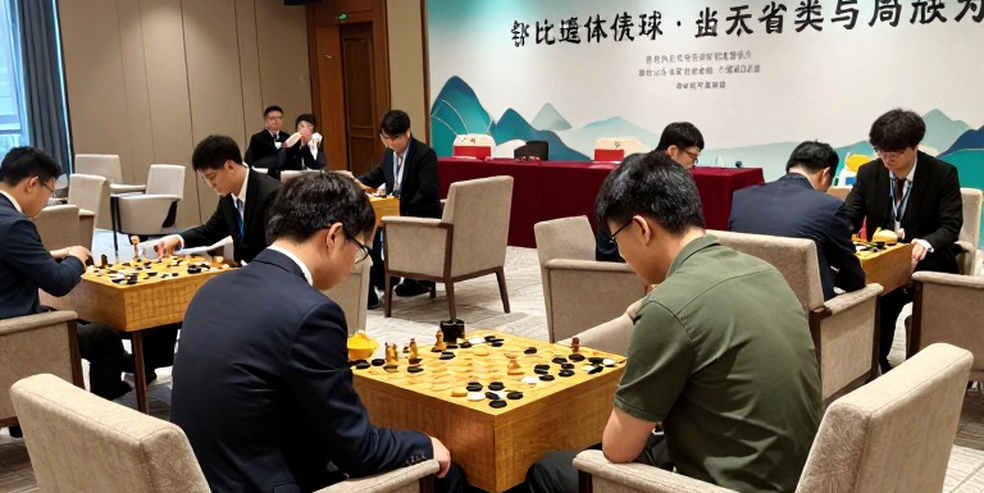
The second story: Samarkand is a deliberate hosting choice, not a coincidence. Uzbekistan has emerged as a new chess powerhouse in Asia, with heavy investment from the federation and the state. Hosting a women's team event in Central Asia signals that women's chess is geographically expanding — but expanding the hosting venue is vastly different from expanding competitive quality.
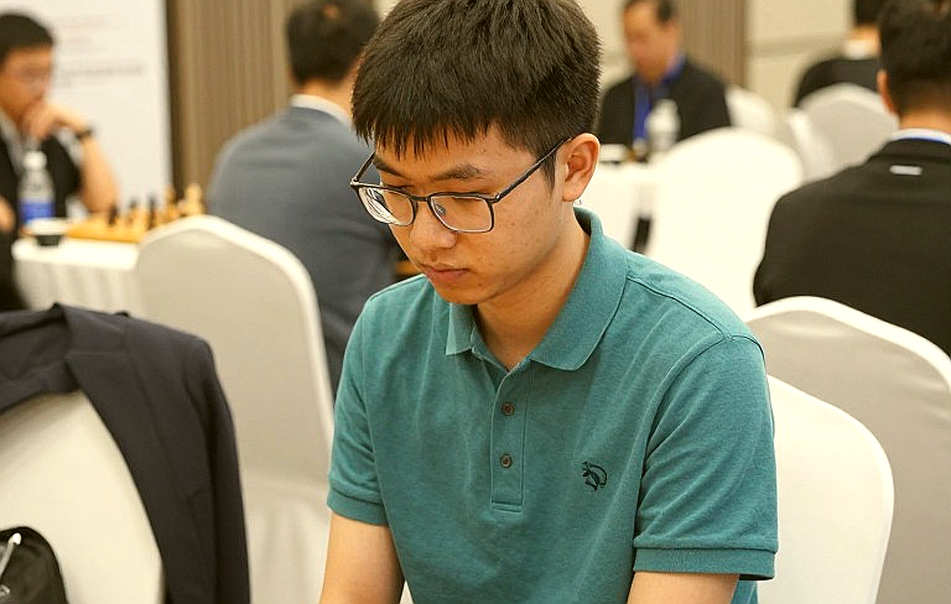
I have stood in tournaments hosted in lavish cities where the boards inside were cold because there were no spectators and no drama. Hosting is the first step. Depth of competition is the destination.
The third story — and this is what I hold until the last moment: Round One has zero archival value. Not a single specific game was mentioned. Not a single player was named. Not one opening, middlegame, or endgame was analyzed. A Round One bulletin of a team event is a byproduct of daily coverage scheduling, not evidence of competitive drama. The original article even spliced the Round One results with an advertisement for chess software — FRITZ 20 — on the same page. This blending of event reporting and commercial promotion says nothing about the tournament. It says a great deal about the publisher.
CONTRARIAN ANGLE: TRAINING SOFTWARE IS THE REAL STORY BEHIND THE STORY
This is where I shift from cursing to analysis.
FRITZ 20 is described as a "training revolution," "the toughest opponent," "the strongest ally." Not a single benchmark figure is provided. No engine rating. No node-processing speed. No comparison with free alternatives.
And here is the key point: FRITZ 20 is not selling strength. It is selling workflow.
In the post-AlphaZero era, everyone knows that free, open-source engines — like Stockfish — are objectively stronger than any commercial product in pure analysis. So why would anyone still pay for FRITZ? Because they are not buying a calculator. They are buying a digital coach — a personalized guidance system that analyzes weaknesses and builds training plans.
This is the real trend in the chess industry: the shift from "man versus machine" to "machine as coach." I saw this trend forming in 2026, when I launched the "Tactical Time Machine" podcast series and discovered that former players called in to agree when I said: "Football is boring without spectators not because of the players, but because coaches are teaching robots." Chess is heading the same direction — engines are no longer opponents to conquer but tools to develop with.
But — and this is a big "but" — without benchmarks, without comparisons, "the training revolution" is just marketing language. Consumers have no way to verify whether FRITZ 20 is genuinely "more efficient than ever before" or just a new version with a prettier interface. I am 60 years old, not here to please anyone. I need numbers, not slogans.
THE BLIND SPOT: WHERE COULD I BE WRONG?
I could be wrong in that maybe FRITZ 20 genuinely has undisclosed new features — a neural-network-based opening analysis system, an endgame-training module that Stockfish does not have. Maybe ChessBase — the company that owns the FRITZ brand — is targeting a specific market segment I have not seen.
I could also be wrong about the tournament: maybe Round Two, Round Three will deliver dramatic matches between seeded teams, memorable board-one games, individual stories powerful enough to move audiences. I hope so. But I do not write based on hope. I write based on what I see — and what I see in Round One is nine unnamed 4-0 results.
VERIFIABLE PREDICTION
Here is what I commit to: Round One of the Samarkand women's team event will not be remembered. No one in 2027 will say "remember, nine teams won 4-0 in 2026?" But if one team upsets the number-one seed in a knockout or final round — if a board-four player unexpectedly holds a draw against an opponent rated 200 points higher — that is the story.
Regarding FRITZ 20: within six months, if there is no independent engine-strength evaluation from a third party, if there is no comparison data against Stockfish and other free engines, then "the training revolution" will fall into the classic pattern of the chess-software industry — overpromise, under-substantiate, then fade into oblivion when the next version launches.
Ten years standing amid controversy, the fire lit by a question in 2026 still burns. I do not write for you to agree. I write for you to ask the right question — starting with: why are nine 4-0 results news, when not a single board among them was named?